Carpet Tiles 101: Positive Aspects and Guide to Installation


Carpet square tiles have become a trending selection for property owners and companies alike, and it's clear why they are so appealing. With their versatility, style, and functionality, they offer a contemporary flooring solution that accommodates a variety of spaces. In this article, we will explore the many advantages of carpet tiles and offer valuable guidance on how to choose, installing, and maintaining them to achieve the optimal results. Whether you are looking to spruce up your living room, set up a cozy workspace, or require a durable option for busy spaces, carpet tiles might just be the flooring solution you are looking for.
As we delve into the universe of carpet tiles, we will cover a range of topics, from their eco-friendly benefits to suggestions on installation and maintenance. Carpet Tiles Bedford 'll also talk about how they can improve your residence or office while providing options for budget-friendly renovations. With so many design possibilities, including mixing and matching patterns, you will discover how carpet tiles can improve your interior decor while also being functional. Join us as we unravel the incredible benefits of carpet tiles and walk you through everything you need to know to decide wisely.
Benefits of Carpet Tiles
Carpet tiles offer a versatile and practical flooring solution that conforms well to contemporary homes. One of the standout benefits is their ease of installation and maintenance. Unlike traditional broadloom carpets, carpet tiles can be laid individually, making them a favorite for DIY enthusiasts. This versatility allows homeowners to create custom layouts and patterns that suit their unique style. Moreover, if a tile becomes stained or damaged, it can be easily replaced without needing to replace the whole floor.
Another major advantage of carpet tiles is their longevity, particularly in busy areas. Designed to withstand wear and tear, these tiles are ideal for living rooms, hallways, and business settings where foot traffic is frequent. Their interlocking nature means they can handle the daily demands of active environments while still providing comfort for your feet. This durability translates into financial benefits over time, as they don’t require replacement compared to traditional carpeting.
Carpet tiles are also an eco-friendly flooring option. Many producers produce them using sustainable materials, contributing positively to indoor air quality. Since they are interchangeable, carpet tiles can be replaced individually, reducing waste and prolonging the lifespan of your flooring. This feature not only benefits the environment but also gives homeowners peace of mind, knowing they are making a sustainable choice that corresponds with modern ecological values.
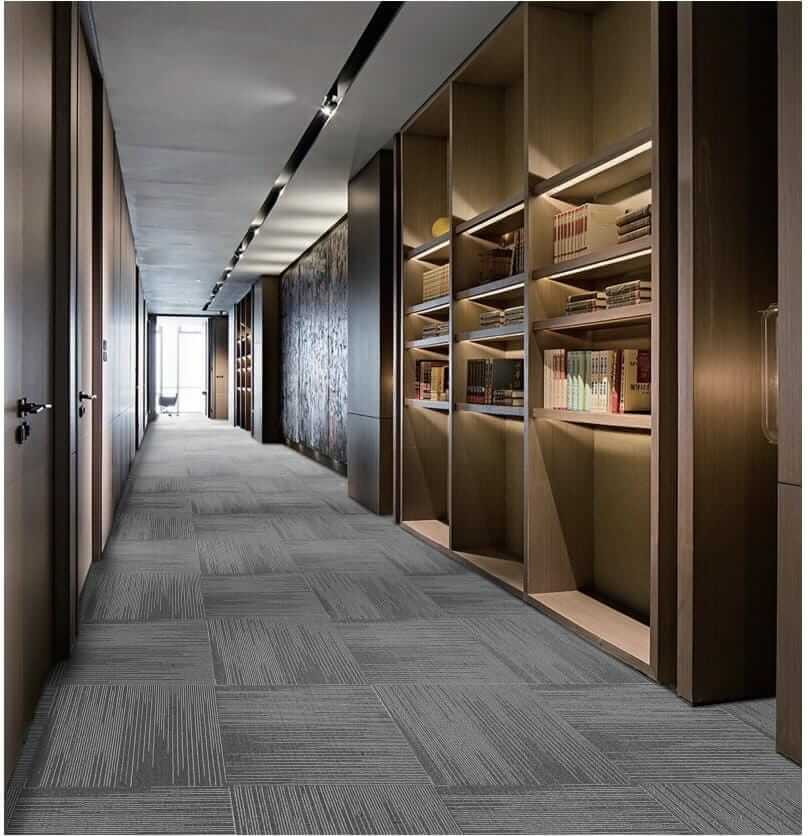
Setup Guidelines for Carpet Squares
Before commencing beginning the installation of carpet tiles, it's important to prepare your floor surface correctly. Ensure that the floor is clean, drying, and even. Eliminate any current flooring, and repair any gaps or cracks. If you have a concrete subfloor, it might be wise to apply a damp-proof layer to prevent moisture from impacting the tiles. For extra comfort and durability, you may also decide to lay down an underlayment. This action will help in establishing a even surface for placement.
When placing your carpet tiles, it is helpful to imagine the end result before proceeding. Begin by marking the center point of the room and expanding outward. This method ensures that the tiles are uniformly distributed and creates a balanced look. Use a chalk line to guide your placement, which will help keep straight lines and precise alignment. In addition, think about mixing different colors or patterns of tiles for a one-of-a-kind design, but be sure to map out your layout to see how they complement one another.
At last, follow the manufacturer's guidelines for installing the tiles, whether you are utilizing adhesive or self-adhesive options. Press each tile securely to guarantee a strong bond and avoid any lifting. If you encounter any misaligned tiles, do not hesitate to adjust them before the adhesive sets. Once the tiles are installed, allow them to adjust as recommended, and remove any surplus adhesive. Your fresh carpet tile floor should now be prepared to use, merging style and functionality effectively.
Deciding on the Appropriate Carpet Tiles
As you are choosing carpet tiles, think about the proposed use of the space. Regarding high-traffic areas, select tiles fabricated from sturdy materials that can handle heavy footfall. Seek out options with a low pile height, as these are usually more able to endure crush and wear over time. Additionally, consider the color and pattern; darker colors and busy patterns can help camouflage dirt and stains, while lighter colors can create a more open and inviting atmosphere.
Another crucial factor is the tile size and shape. Traditional square tiles are flexible and simple to install, while rectangular tiles allow for creative layouts and unique designs. Contemplate how the shape and layout can impact the overall look of your space. Don't hesitate to mix and match different tiles to create a custom design that reflects your personal style and complements your existing decor.
Finally, always review the manufacturer’s specifications regarding maintenance and cleaning. A few tiles come with built-in stain resistance, while some options may need regular treatments to keep them looking their best. Understanding the longevity and upkeep of your preferred tiles can lead to a more fulfilling and sustainable flooring solution for your home or office.